Diabetes in India Is Different — and a Programme Built for It Should Be Too
Programme · 3 · August 7, 2026
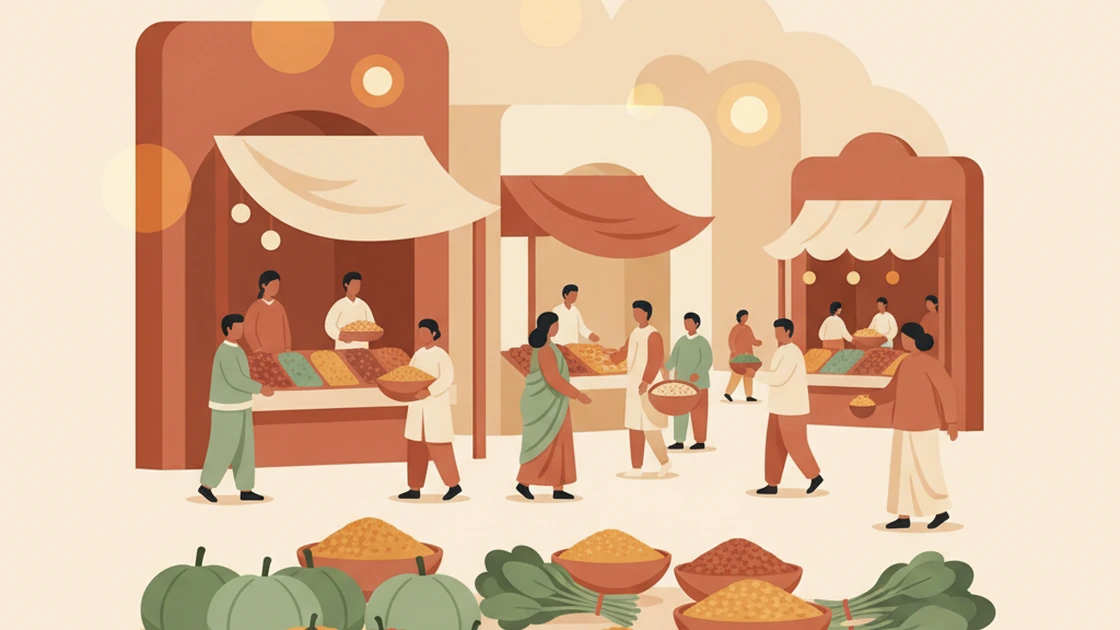
The numbers, and why they are not a Western story
India carries one of the largest diabetes burdens in the world. The ICMR-INDIAB study (Anjana et al., The Lancet Diabetes & Endocrinology, 2023), a nationwide survey, estimated that well over 100 million adults in India live with diabetes and many more with prediabetes. But the important point is not just scale — it is that South Asian diabetes behaves differently, so a copy-pasted Western programme fits poorly.
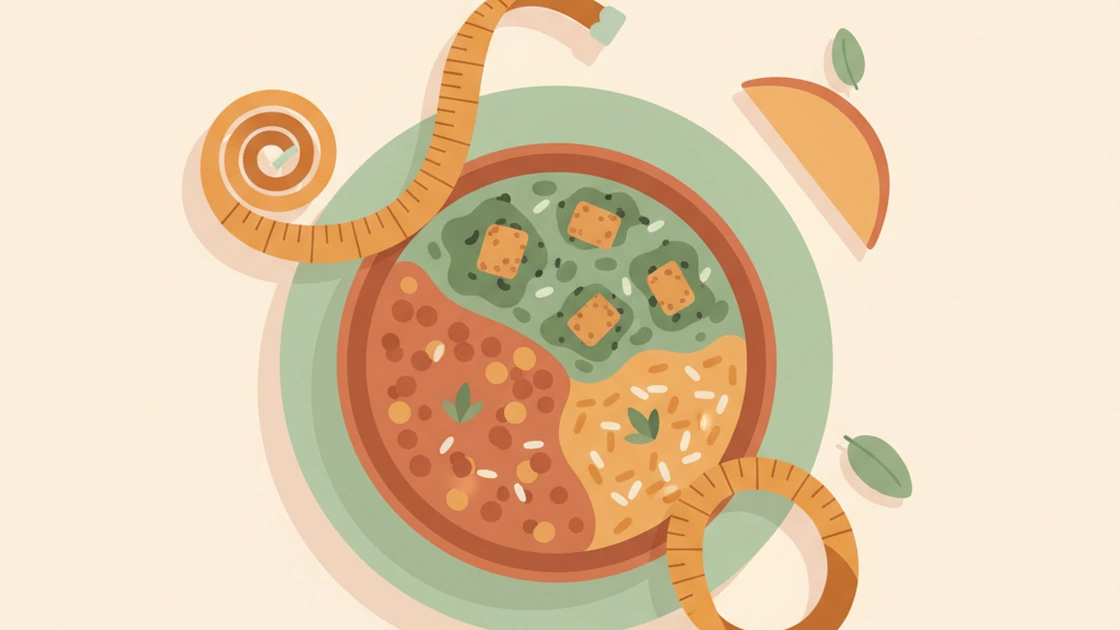
The "thin-fat" phenotype: diabetes at a lower weight
South Asians tend to develop type 2 diabetes younger and at a lower body-mass index than white European populations, with more visceral fat (fat around the organs) for a given weight — a pattern researchers have long described as the "thin-fat" Indian phenotype. This is why BMI cut-offs for overweight are set lower for South Asian populations in many guidelines: a "normal" BMI can still carry high metabolic risk. A programme that only flags people once they cross a Western weight threshold will miss a large share of at-risk Indians entirely.
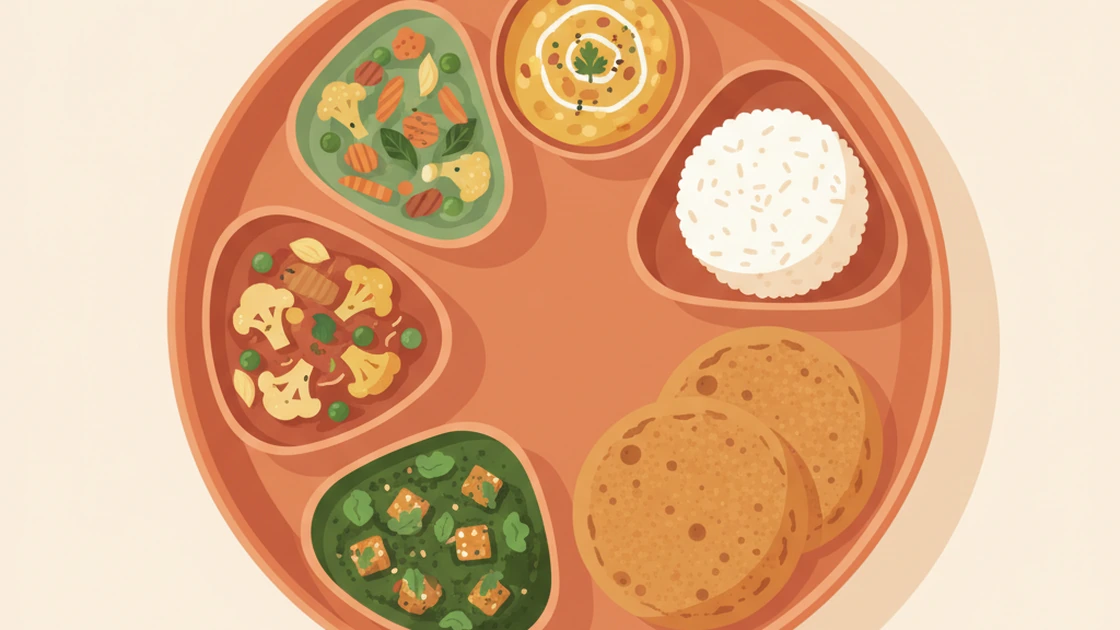
A diet plan that respects the actual plate
Telling someone to abandon rice and roti is neither realistic nor necessary. The evidence-based moves translate directly into an Indian kitchen: rebalance the thali toward more vegetables and dal, keep protein (paneer, legumes, egg, fish, chicken), right-size the rice, favour higher-fibre choices like millets and whole grains, and mind sugary chai and sweets rather than banning every celebration. Our food-response engine is seeded with an Indian food corpus and learns your personal glucose response to your dishes — so "rajma chawal" gets a read tuned to your body, not a generic Western glycemic-index guess.
Built for Indian realities — access, language, cost
A programme for India also has to work the way life in India works: smartphone-and-WhatsApp-first, in the right language, with pricing set for the local market rather than converted from dollars. That is a deliberate design choice, not an afterthought — care that is unaffordable or only in English is care most people cannot use. The clinical backbone stays the same evidence base as anywhere; the delivery is built for the people it is actually for.
Related reading: the India programme · an evidence-based diabetes programme · the diabetic diet, rebuilt around your body · a CGM-guided programme you can do from anywhere.

This article is for general education. It does not replace medical advice, diagnosis, or treatment from a qualified healthcare professional. Type 2 diabetes remission is possible for some people but is not guaranteed and is not a cure; never start, stop, or change medication — especially insulin or other glucose-lowering drugs — without your doctor.