The Diabetic Diet, Rebuilt Around Your Body: What to Eat, What to Limit
Nutrition · 4 · August 7, 2026
Start with the plate, not a forbidden-foods list
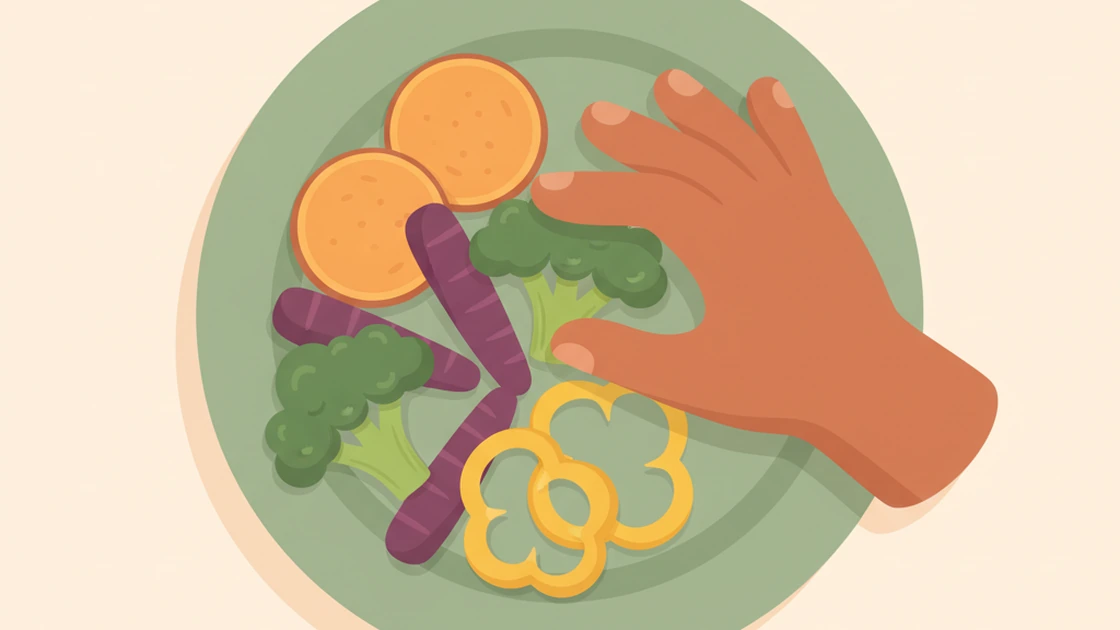
Most "diabetic diet" articles hand you a list of banned foods. That framing fails because it is joyless, culturally tone-deaf, and — crucially — not how blood sugar actually works. A better foundation is the plate method, endorsed in the American Diabetes Association's Standards of Care: fill half your plate with non-starchy vegetables, a quarter with protein, and a quarter with carbohydrate-containing foods, ideally higher-fibre whole grains or legumes. It is simple, portable across cuisines, and gives you portion control without weighing anything.
The single most useful idea underneath it is glycemic load — not just what a carbohydrate is, but how much of it you eat and what you eat it with. Fibre, protein and fat all slow how quickly a meal raises blood sugar. A large 2019 review in The Lancet (Reynolds et al.) found that higher dietary fibre intake was associated with meaningfully lower risk of death and better glucose control across many studies — one of the most consistent findings in nutrition.
The foundations that hold up across the evidence
Nutrition science argues about a lot, but a few principles are boringly well-supported for type 2 diabetes:
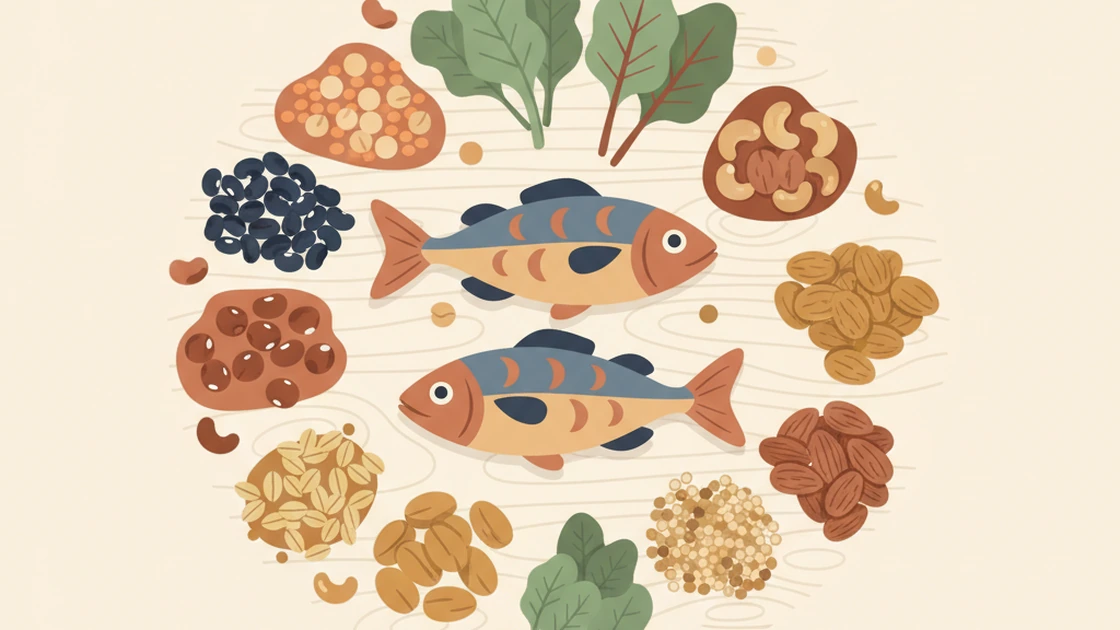
- Prioritise fibre and whole foods. Vegetables, legumes, nuts, and intact whole grains blunt glucose spikes and support gut health.
- Make protein and healthy fats anchor the meal. They increase satiety and slow carbohydrate absorption.
- Cut sugar-sweetened drinks first. Liquid sugar raises glucose fastest and is the easiest high-impact change.
- Mind portions of refined carbohydrates — white bread, white rice, most packaged snacks — rather than banning them outright.
Notice what is not on this list: a single mandatory diet. Low-carb, Mediterranean, and plant-forward patterns all have supporting evidence for glucose control. The ADA's own position is that there is no one ideal eating pattern — the best one is the evidence-aligned pattern you can actually sustain. That is a feature, not a hedge.
Why "it depends" is the honest answer — and measurable
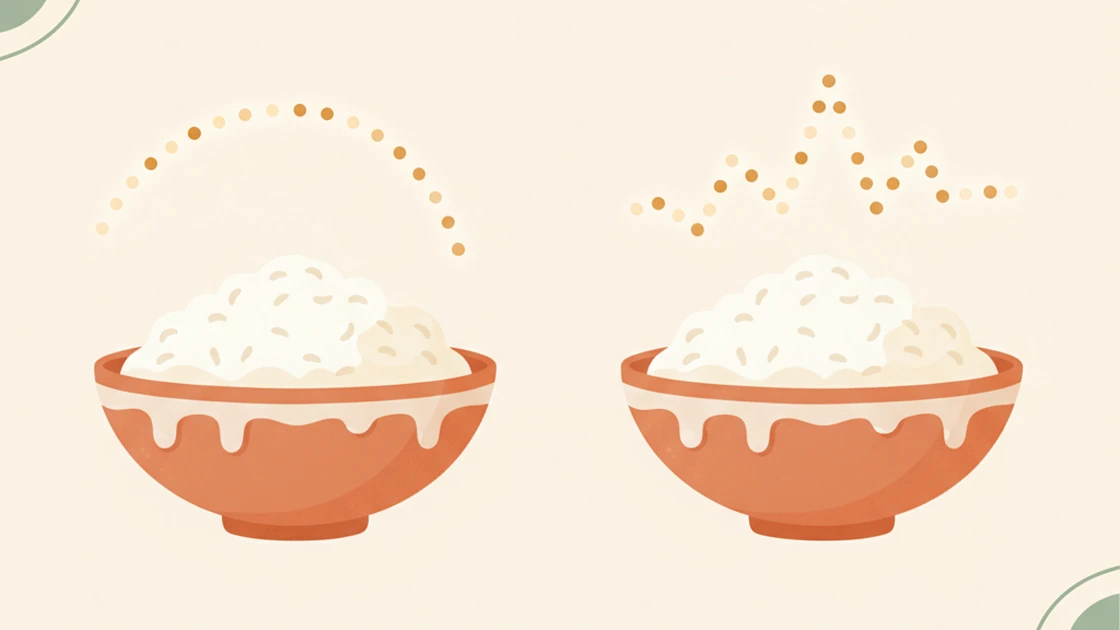
Here is the part generic diet advice cannot handle: the same 150g bowl of rice can raise one person's glucose modestly and spike another's sharply. This is not folklore — a landmark 2015 study in Cell (Zeevi et al.) tracked over 46,000 meals in 800 people and found standardized carb-counting badly predicted individual responses, while a model using each person's own data predicted far better. "How many carbs" is a weak question; "how many carbs, for this body, on this day" is the real one.
This is where a continuous glucose monitor changes the game. Instead of trusting a generic glycemic-index chart, you see your own curve after your own meals and learn your personal patterns. Our food-response engine builds on that with a three-layer model: a literature starting estimate, a population estimate from thousands of real logged meals, and — as you log — a personal estimate that narrows to your body. The "roti and dal" you scan in month one gets a sensible population read; by month three it reflects how you actually respond.
A practical way to eat this week (no overhaul required)
You do not need to reinvent your kitchen. A realistic starting sequence:
- Rebalance the plate at your two biggest meals — more vegetables, keep the protein, shrink the refined-carb portion.
- Swap the drink — replace sugar-sweetened beverages and juice with water, unsweetened tea, or coffee.
- Order the plate — eating vegetables and protein before the starch can lower the after-meal spike for many people.
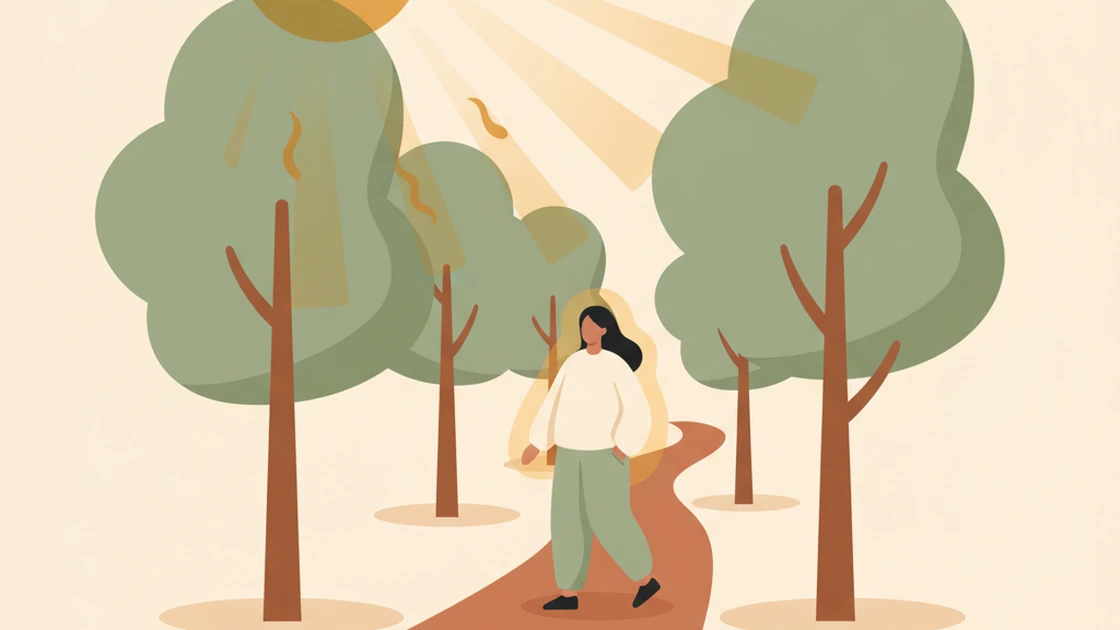
- Walk after eating — even 10–15 minutes of light movement blunts the post-meal rise.
Then let measurement personalise the rest. The goal is not a perfect diet you abandon in three weeks; it is an evidence-based default, tuned by your own data into something you can keep — and can see working.
Related reading: a diabetic diet tuned to your glucose · Can you reverse type 2 diabetes? · food intelligence genetics · GLP-1 care beyond the prescription.
This article is for general education. It does not replace medical advice, diagnosis, or treatment from a qualified healthcare professional. Type 2 diabetes remission is possible for some people but is not guaranteed and is not a cure; never start, stop, or change medication — especially insulin or other glucose-lowering drugs — without your doctor.