World's First Cure? How Shanghai Scientists Reversed Type 2 Diabetes
Medical Breakthroughs · 5 · March 21, 2026
!Shanghai Diabetes Breakthrough
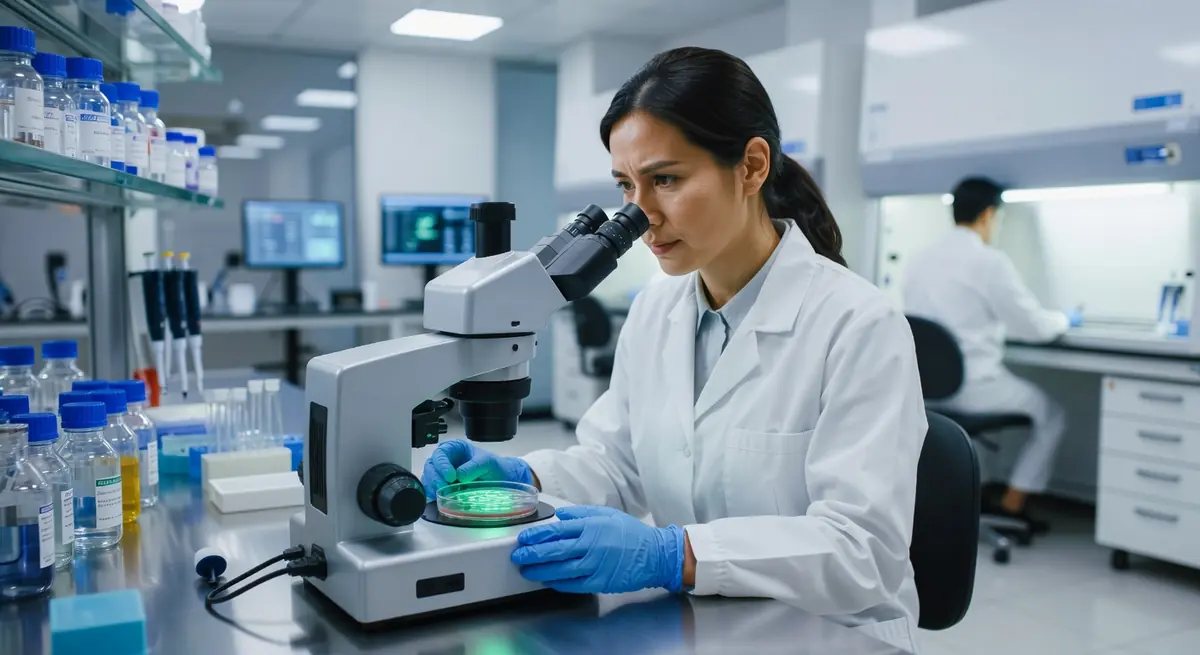
For decades, Type 2 diabetes has been managed, not cured. But in February 2026, researchers at Shanghai Changzheng Hospital shattered that paradigm. They announced the first-ever successful functional cure of a long-term Type 2 diabetes patient using autologous islet transplantation derived from chemically induced pluripotent stem cells (CiPSC).
The Patient's Journey
The patient, a 25-year-old man, had struggled with Type 2 diabetes for over a decade. His pancreas had lost most of its islet function, forcing him to rely on multiple daily insulin injections. He faced a lifetime of complications—until he enrolled in this groundbreaking clinical trial.
📊 Diabetes by the Numbers
How It Works: The Science of CiPSC
Traditional stem cell therapies often use embryonic stem cells or "Yamanaka factors" (viruses) to reprogram cells, which carries ethical concerns and cancer risks. The Shanghai team used a cleaner, safer approach: Chemical Reprogramming.
Because the cells came from his own body ("autologous"), there was no risk of rejection. He didn't need the harsh immunosuppressive drugs that usually accompany transplants.
The Result: Insulin Independence
Within weeks, the transplanted islets began sensing sugar levels and releasing insulin naturally.
- Week 4: The patient no longer needed external insulin.
- Month 12: He remains insulin-free, with stable blood sugar levels and normal HbA1c.
- Lifestyle: He can now eat a normal diet without fear of dangerous spikes.
What This Means for You
While this trial focused on one patient, it proves the concept works.
- Scalability: Chemical reprogramming is easier to scale than viral methods.
- Safety: Removing immunosuppression makes this viable for millions, not just the most critical cases.
- Timeline: While still experimental, this accelerates the timeline for global clinical trials.
At Journey for Health (jforh.com), we are closely monitoring the expansion of these trials. If you are interested in eligibility for future cohorts, sign up for our Clinical Trials Watchlist.
📚 Sources
- UKPDS Group, Lancet 1998 — Intensive blood glucose control reduces complications
- DiRECT Trial, Lancet 2018 — 46% diabetes remission with 15kg weight loss
- Umpierre et al., JAMA 2011 — Exercise >150 min/week reduces A1C by 0.67%
- Beck et al., JAMA 2017 — CGM lowers A1C by 0.6% in Type 2 diabetes
- Sainsbury et al., Diabetes Res Clin Pract 2018 — Low-carb diets reduce A1C up to 1.0%
- IDF Diabetes Atlas, 10th Edition 2021 — 537M adults with diabetes worldwide
🎯 Diabetes Tools on Journey for Health (jforh.com)
Continue Your Journey
- Compare Global Costs — Search 2,500+ procedures across 10 countries
- AI Symptom Checker — AI-powered symptom analysis
- More Articles — Browse our health insights library